Losing a spouse is one of life’s most profound challenges, especially for older adults who may have shared decades of companionship. Experiencing senior loneliness after a spouse dies is deeply personal.
Feelings of grief and isolation can affect emotional well-being, daily routines, and overall quality of life. Recognizing that these emotions are a natural part of healing is an important first step toward rebuilding connection and purpose.
For families supporting a loved one through this transition, understanding the signs of a widowed senior feeling isolated is crucial. With the right approach, it’s possible to gently encourage renewed engagement and meaningful social connections.
Understanding Grief & Loneliness in Older Adults
Grief and loneliness in older adults often go hand in hand. When a spouse passes, individuals lose more than a partner. They lose daily conversation, shared routines, and a constant source of companionship. This shift can leave someone feeling alone, even when surrounded by supportive family.
Common signs of loneliness after losing a spouse may include:
- Withdrawing from programs once enjoyed together
- Struggling with the quiet of an empty apartment home
- Experiencing physical changes related to prolonged isolation
- Feeling uncertain about social situations alone
Healing does not follow a set timeline. Allowing space for emotions while offering steady support helps create a more compassionate path forward.
Building Social Connections After Losing a Spouse
Creating social connections after losing a spouse takes time and patience. Many individuals hesitate to join programs or events on their own. Gentle encouragement and low-pressure opportunities can help rebuild confidence.
Starting points for connection may include:
- Art classes or creative workshops
- Book clubs and discussion groups
- Volunteer opportunities with shared purpose
- Hobby-based groups such as gardening or photography
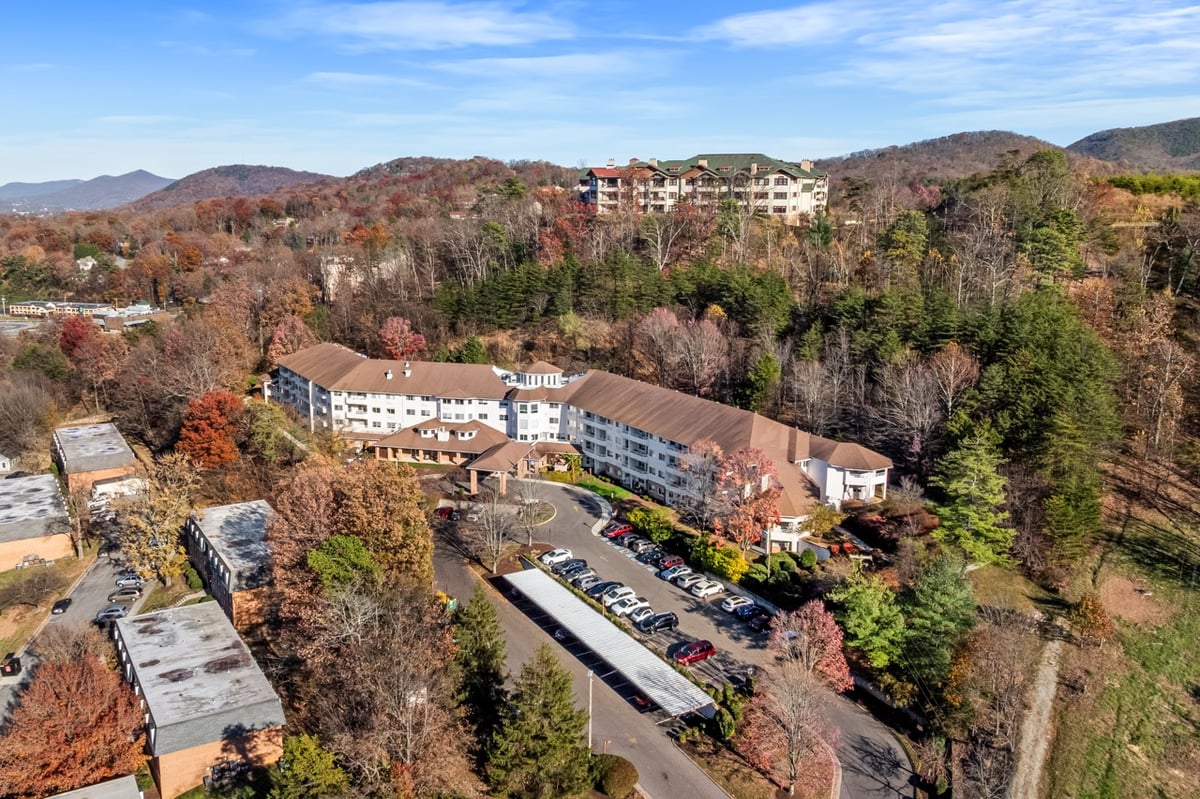
At communities like Elm Park Estates, shared dining experiences, social events, and welcoming common areas provide natural ways to meet others. This way, residents can form friendships at a comfortable pace.
Family members can support this process by attending initial events together or helping explore options that match personal interests.
Supporting Daily Wellness & Routine
Maintaining structure in daily life plays an important role in combating isolation after the death of a partner. Simple routines can provide stability while creating opportunities for connection.
Helpful habits may include:
- Morning walks around the community or nearby parks
- Group fitness programs focused on Health & Fitness
- Mindfulness or quiet reflection practices
- Journaling to process memories and emotions
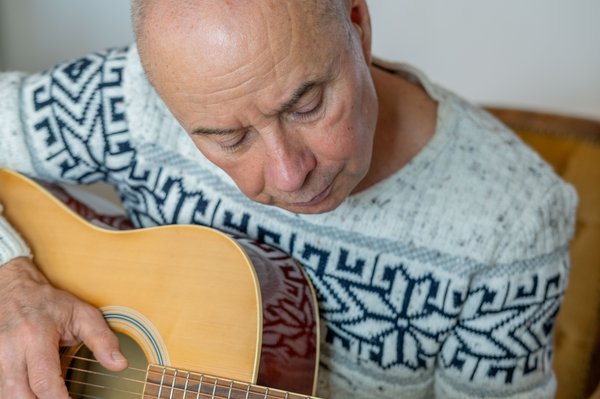
- Creative outlets like music, painting, or crafts
At Elm Park Estates, residents can enjoy maintenance-free living, restaurant-style dining, and a variety of programs. This makes it easier to stay engaged without the stress of managing a household alone.
Exploring a More Connected Living Environment
For some, staying in a longtime home can intensify feelings of loneliness. Exploring a new environment does not mean leaving memories behind. It can offer a fresh start with built-in opportunities for connection.
Our Independent Living with supportive services** community supports your independence while offering access to additional help—only when/if you want it. A choice of third-party providers is available onsite for your convenience, but you are under no obligation to use any of them. This flexible approach is perfect for individuals or couples with varied needs. Extend your independent lifestyle by choosing to make our community your home.
At Elm Park Estates, residents enjoy spacious apartment homes with maintenance-free living. They receive three chef-prepared meals daily, as well as social programs, events, and shared spaces for connection. We also offer scheduled transportation and a professional salon and barbershop for added convenience.
These features create an environment where meaningful relationships can grow naturally, helping reduce feelings of isolation over time.
Finding Support Through Community Resources
In addition to social connection, many individuals benefit from structured widow support and community resources. Speaking with others who understand similar experiences can be incredibly comforting.
Support may be found through local health systems or community centers, faith-based organizations, or even online support groups. These resources provide a space to share, listen, and process emotions at a personal pace.
Moving Forward with Purpose
Healing after loss does not mean forgetting a spouse. It means honoring that relationship while creating space for new experiences. Over time, many individuals rediscover purpose through volunteering, mentoring, or pursuing long-held interests.
With the right balance of support, connection, and daily structure, it is possible to move forward in a way that feels meaningful and authentic.
Support that works with your routines and rhythms. Visit Elm Park Estates today.
**A choice of third-party providers is available onsite for convenience, but residents are under no obligation to use any particular one.